 how-to
What Is a 4-Point Inspection: A Homeowner's Guide
Last Updated: November 7, 2026
Quick Summary
A 4-point inspection is a focused, visual, non-invasive review of four major systems in a home: the roof, electrical, plumbing, and HVAC. Insurance carriers use it to confirm these systems are in working condition before they issue or renew a policy, and the report reflects only what is visible and accessible on the day of the visit.
- The inspector does not open walls, pull permits, or run diagnostic equipment during the visit.
- A failing item in any one system can affect your coverage eligibility or require repair before binding.
- Clear access to the electrical panel, water heater, and HVAC units before the inspector arrives.
- A 4-point inspection covers four systems, while a full home inspection covers the entire home.
- Ask your carrier how old a report they accept and whether they need it at application or renewal.
Table of Contents
- What a 4-Point Inspection Covers
- Why Insurers Require a 4-Point Inspection
- Your 4-Point Inspection Checklist: How to Prepare
- 4-Point Inspection vs Full Inspection
- How Long Is a 4-Point Inspection Good For?
- What a 4-Point Inspection Example Report Shows
- Frequently Asked Questions
What a 4-Point Inspection Covers
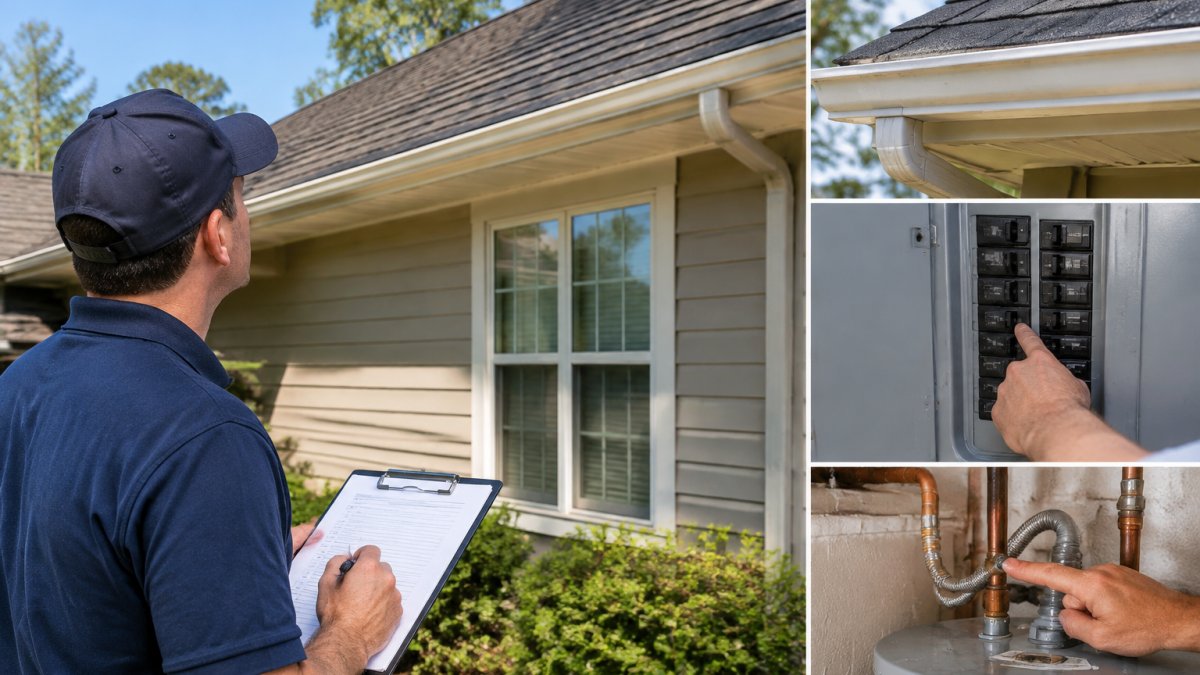
A 4-point inspection is a focused, visual, non-invasive review of four major systems in a home: the roof, electrical, plumbing, and HVAC. Insurance carriers use it to confirm these systems are in working condition before they issue or renew a policy. The inspector does not open walls, pull permits, or run diagnostic equipment; the report reflects what is visible and accessible on the day of the visit.
We photograph every finding and note the age of each system where it can be determined.

Roof, Electrical, Plumbing, and HVAC
Here is what we check under each system, and why the underwriter cares:
- Roof: covering material (asphalt shingle, tile, metal, or membrane), estimated age, visible damage such as missing shingles, curling, granule loss, or active leaks, condition of flashings and penetrations, and remaining useful life.
- Electrical: service panel type and brand, panel capacity and breaker condition, presence of double-tapped breakers or missing knockouts, visible wiring type (copper, aluminum, or knob-and-tube), grounding and bonding, and any signs of overheating or amateur modifications.
- Plumbing: supply pipe material (copper, PEX, CPVC, galvanized steel, or polybutylene), drain line condition, active leaks or corrosion at visible joints, water pressure at fixtures, and water heater type, age, and condition.
- HVAC: heating and cooling equipment type, brand, age, and observed working condition, condition of the air handler and condenser, visible ductwork, and signs of refrigerant leaks or improper installation.
A failing item in any one of them can affect your coverage eligibility, and carriers often treat a single failed system as grounds to decline or to require repair before binding.
Watch out: an inspector can only report what is visible.
Why Insurers Require a 4-Point Inspection
Older homes carry more risk for an insurance company. A 4-point inspection gives the carrier a clear picture of property condition before it takes on that risk.
Requirements vary by carrier and by state, so the rule that applies to your neighbor may not apply to you.
The inspection answers four questions for the underwriter: Is the roof sound? Is the electrical system safe? Is the plumbing intact? Does the HVAC work? If the answers are good, the policy moves forward.
Your 4-Point Inspection Checklist: How to Prepare
A 4-point inspection checklist saves time and prevents callbacks. Use this one before the inspector arrives:
- Clear access to the electrical panel
- Clear access to the water heater and HVAC units
- Note the age of the roof, water heater, and HVAC
- Fix any visible leaks or drips
- Replace missing panel cover screws
- Trim plants away from outdoor units
- Gather any past repair receipts
- Secure pets for the visit
Small fixes matter.
4-Point Inspection vs Full Inspection
A 4-point inspection vs full inspection comes down to scope. A 4-point inspection covers four systems: the roof, electrical, plumbing, and HVAC.
| Feature | 4-Point Inspection | Full Home Inspection |
|---|---|---|
| Systems covered | Roof, electrical, plumbing, HVAC | Entire home |
| Typical purpose | Insurance eligibility | Purchase decision |
| Report length | Short, focused | Long, detailed |
| Who requests it | Insurance carrier | Buyer or seller |
Neither one replaces the other. If you are buying, get the full inspection. If your carrier wants a 4-point, get that too.
How Long Is a 4-Point Inspection Good For?
How long a 4-point inspection report stays valid varies by insurer, so ask your carrier which report age it accepts.
Timing matters just as much as validity. Schedule the inspection before you apply or renew, not after. A report that is already a year old at renewal may not satisfy the underwriter.
Ask your carrier two questions: how old a report they accept, and whether they need it at application or renewal. Then book accordingly.
What a 4-Point Inspection Example Report Shows
A 4-point inspection report is photo-heavy with plain-language descriptions. Each of the four systems gets a pass or fail, a condition rating, notes, and images. Most reports follow a similar structure, though the exact form varies by inspector and by carrier.
Here is the typical structure and what each field means:
- Property and inspector details: address, date of inspection, inspector name and license or certification number, and the carrier or form the report is being prepared for. Underwriters use this block to confirm the report matches the property and the policy application.
- Roof section: photos of each roof slope, an estimated age, the covering material, and a condition rating. Common ratings are Satisfactory, Fair, Poor, or a simple Pass/Fail. Notes may flag missing shingles, exposed fasteners, or a roof at or beyond its expected service life.
- Electrical section: panel photos with the cover removed where accessible, the panel brand and amperage, breaker condition, and wiring type. Notes call out double-tapped breakers, missing cover screws, or obsolete panel brands.
- Plumbing section: water heater photos with the data plate visible, the manufacture date, the pipe materials observed, and any active leaks.
- HVAC section: condenser and air handler photos with data plates, equipment age, and observed operation. Notes may flag rust, refrigerant line condition, or a unit past its expected service life.
- Summary and noted defects: a short recap of any system rated Fair or Poor, with the specific repair or replacement the inspector recommends. This is the section the underwriter reads first.
At Discovery Home Inspections of Florida, we deliver detailed digital reports within 24 hours, written in plain language with photos. You can open them on any device.
How to Read the Report Like an Underwriter
When the report reaches the carrier, the underwriter is not reading for nuance. They are scanning for four things: the age of each system, the condition rating, any noted defect, and whether the inspector marked the system as inspected at all.
A few patterns are worth knowing before you read your own report:
- Age over condition. A 22-year-old roof in good visible condition may still draw a requirement for replacement, because the underwriter is pricing remaining life, not current appearance.
- Photos carry the finding. If a note says "evidence of previous repair," the photo is what the underwriter reviews. Clear, well-lit photos tend to produce faster decisions than ambiguous ones.
- Ratings are not standardized. One inspector's "Fair" may be another's "Poor."
- The summary drives the outcome. Read the summary first and compare it against the system sections.
If a system fails, the report tells you what needs repair or replacement. You can then fix it and request a re-inspection, or share the report with your carrier to see what they will accept.
Watch out: a report prepared for one carrier may not be accepted by another, because forms and required fields differ. If you are shopping carriers, tell your inspector which carrier or form the report is for before the visit.
Insurance paperwork should not be the reason your coverage lapses. Discovery Home Inspections of Florida handles 4-point inspections with honest findings and reports you can actually read. We are locally owned, InterNACHI trained, and we offer a pay-at-closing option so the fee does not land all at once. Get started with Discovery Home Inspections of Florida and know exactly what your home's four systems need before your carrier asks.
Frequently Asked Questions
What do they check on a 4-point inspection?
An inspector examines four systems: the roof covering, the electrical panel and wiring, the plumbing supply and drain lines, and the HVAC system. The report documents the age and working condition of each, plus any visible damage or defects. A 4-point inspection is a focused assessment, not a full home inspection, so it does not cover the structure, appliances, or cosmetic issues elsewhere in the house.
How much does a 4-point inspection cost?
Pricing depends on the property's size, age, and location. Ask your provider for a quote before booking, and confirm whether the fee includes the report and photos you will need for your policy application.
What is needed to pass a 4-point inspection in Florida?
There is no single passing score. Insurers want to see that the roof, electrical, plumbing, and HVAC systems are in working condition with no visible defects or safety concerns.
How do you prepare for a 4-point home inspection?
Clear access to the electrical panel, water heater, HVAC unit, and attic hatch. Replace dirty air filters, fix dripping faucets, and note the age of each system if you know it. Gather any repair receipts or permits.
